100-Year-Old-House
How do we preserve the city for everyone?
How can we integrate new and existing housing to meet the needs of our community? How do we maintain a city that nurtures our newcomers while allowing those with history here to remain and prosper?
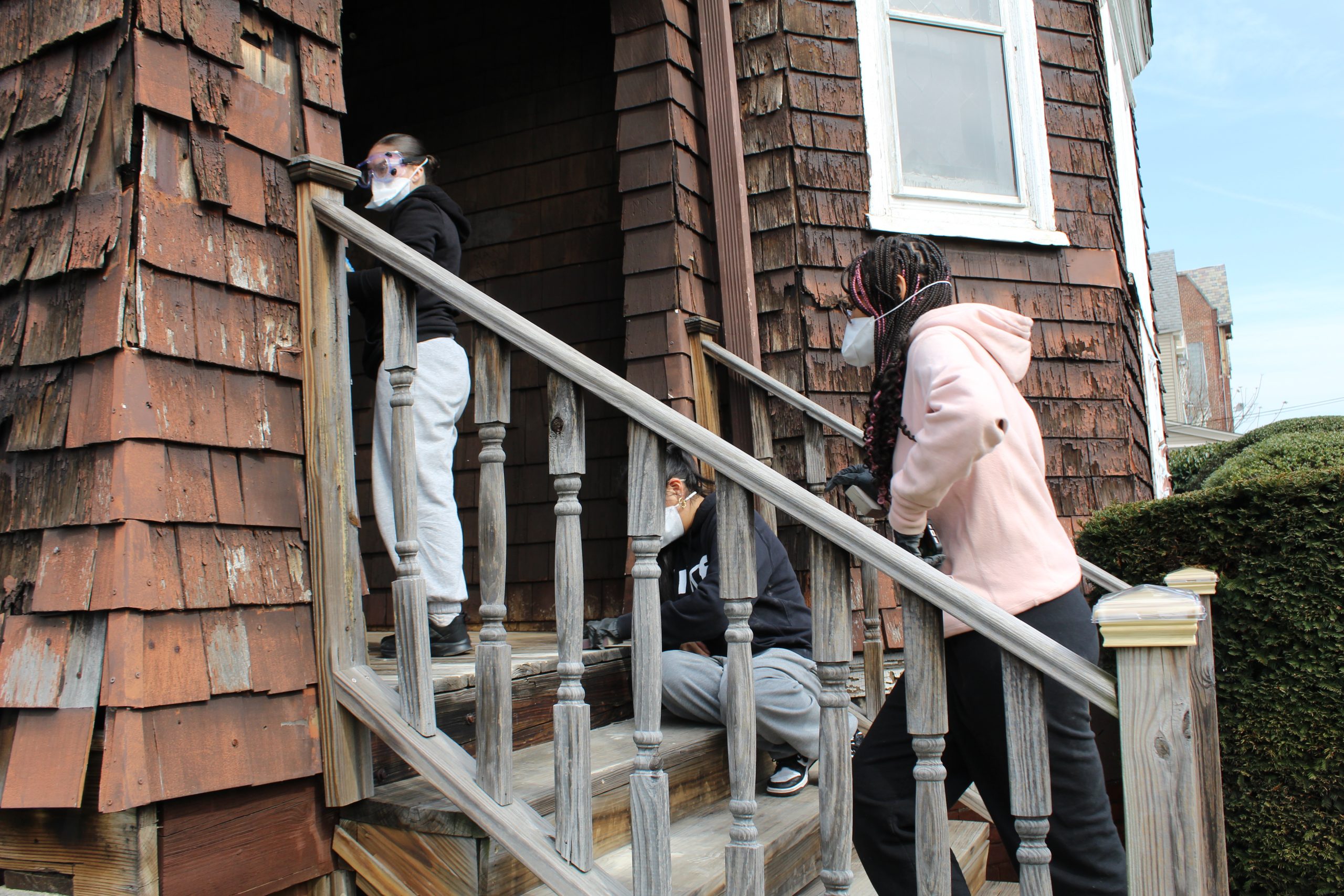
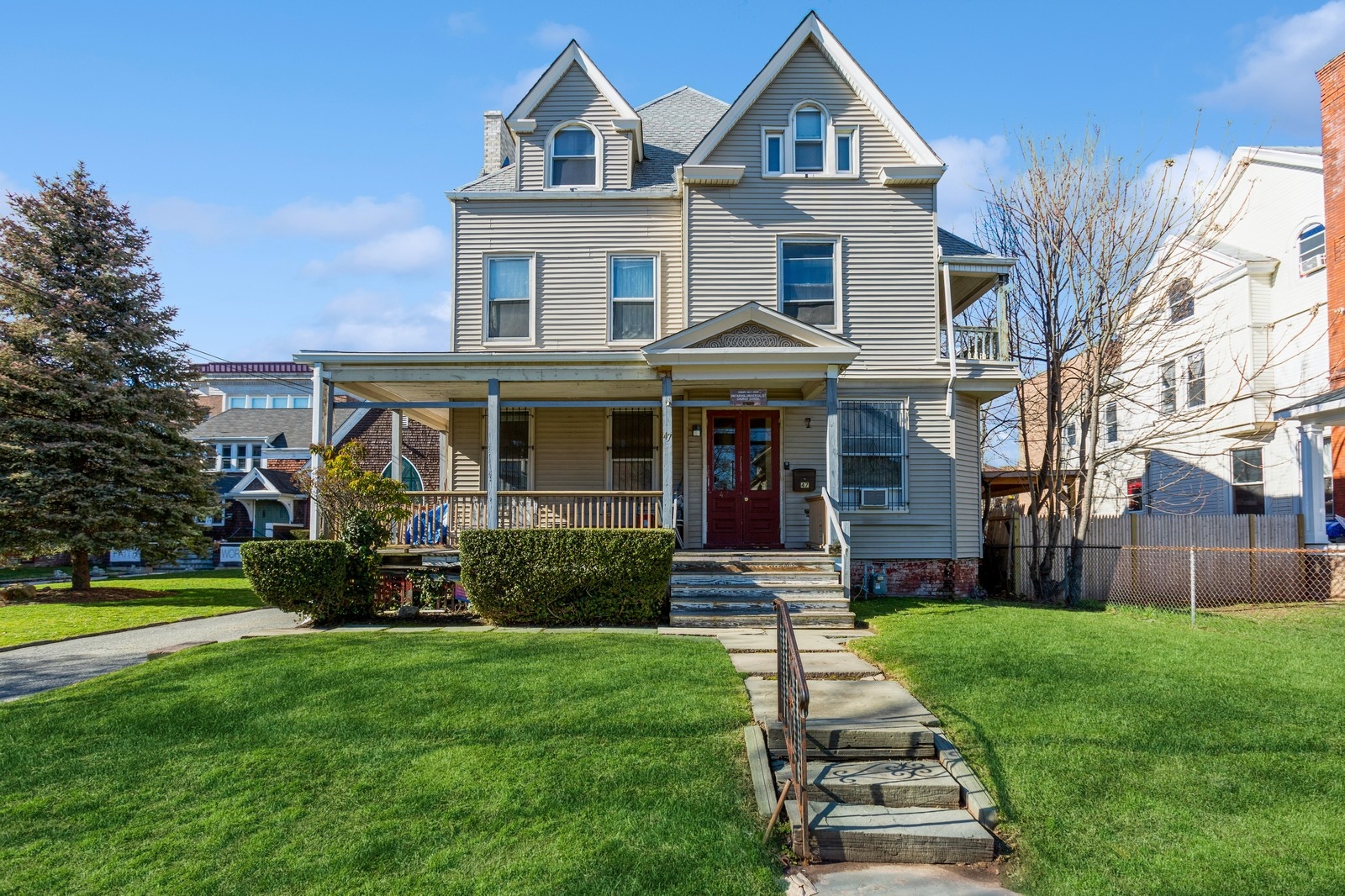
These are urgent questions for a city like ours. Our housing stock is old, with 2,638 buildings that are over 100 years old. However, these historic, century-old houses are in desperate need of investment and repairs. Vicious, historic redlining left our city without adequate access to investment, including funds for home repairs. Now, entire blocks of older buildings showing the signs of age and decades of deferred maintenance are labeled as shabby and blighted.
At the same time, the city has embraced Transit Oriented Development, increasing the cost of living and ramping up the pressure on income constrained citizens. Rather than investing in what Orange already has at stake, this process has brought online 2,000+ market rate apartments at extortionate rental prices. This has only driven property values higher. Some of us benefit, but we all end up shouldering the taxes. Development like this has many knock-on effects: slum landlords waiting for a buy-out are not carrying out repairs; long-time homeowners are left with the escalating costs of taxes and maintenance while their market value dwindles; and homeowners and renters alike are left with an extreme housing cost burden.
When we first started The HUUB, we held a conference called “100-Year-Old House.” Molly Rennie of The United Way explained the concept of “ALICE”: Asset Limited, Income Constrained, and Employed people. She argued that this was a critically important group for understanding the challenges of a city like Orange, where many hard-working people are being left behind. But the future of our city doesn’t have to rely on neglecting the people and places we already have. As Carl Elefante, past president of the American Institute of Architects, has argued, “The greenest building is the one that is already built”.
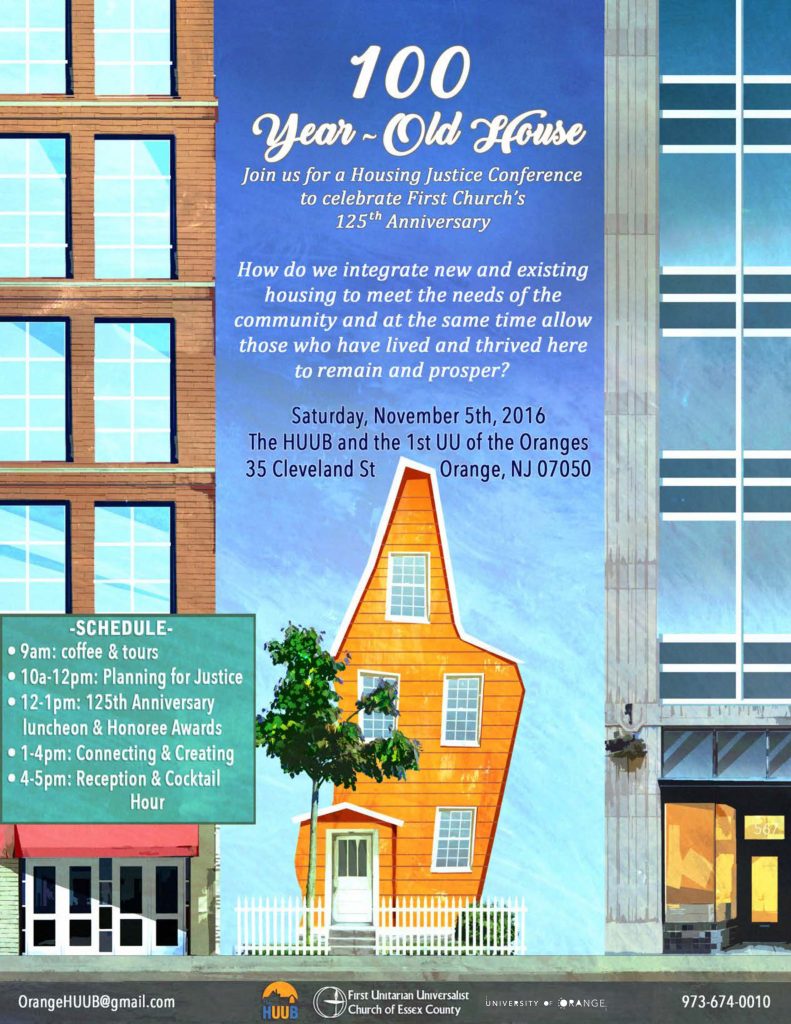
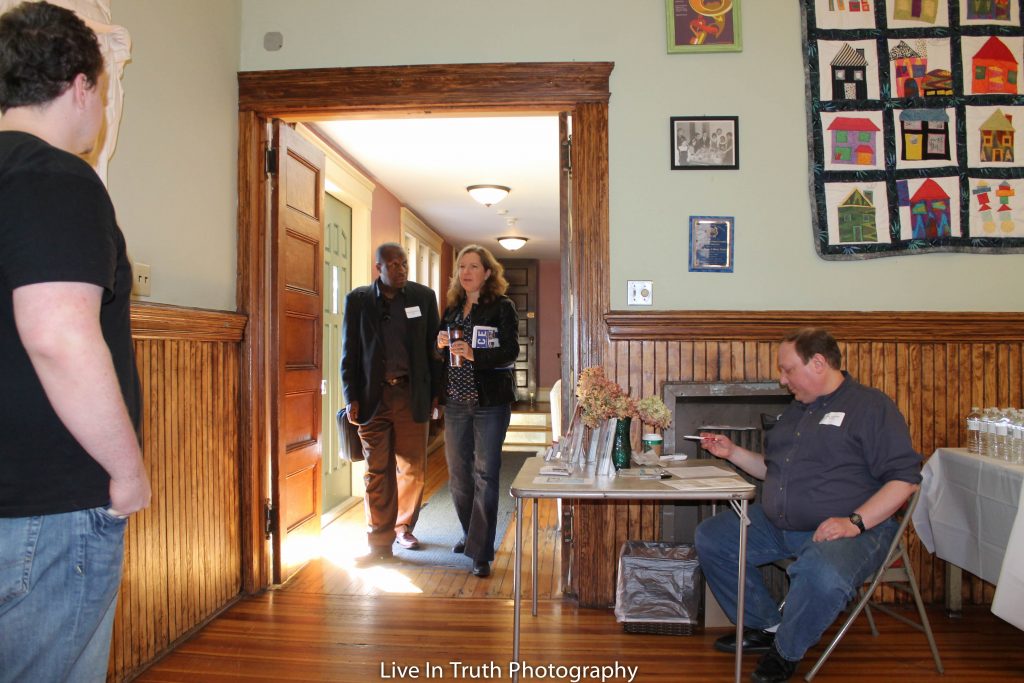
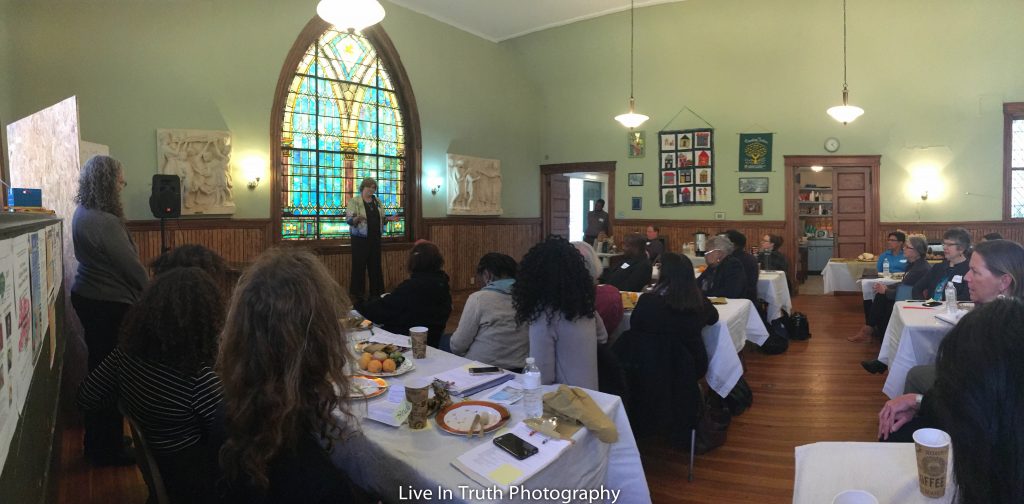
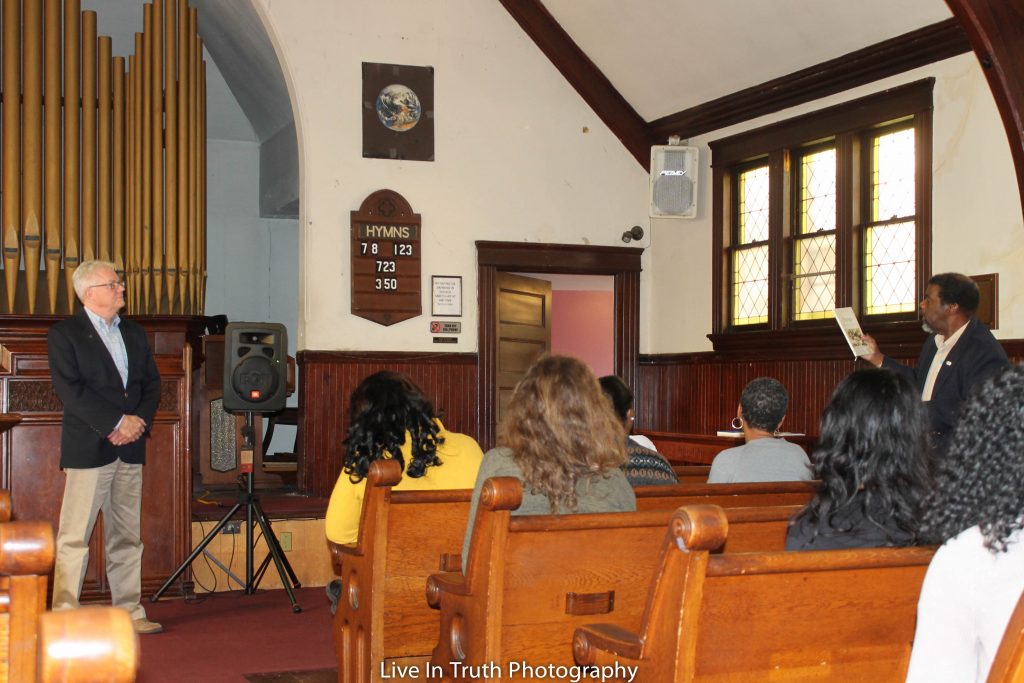
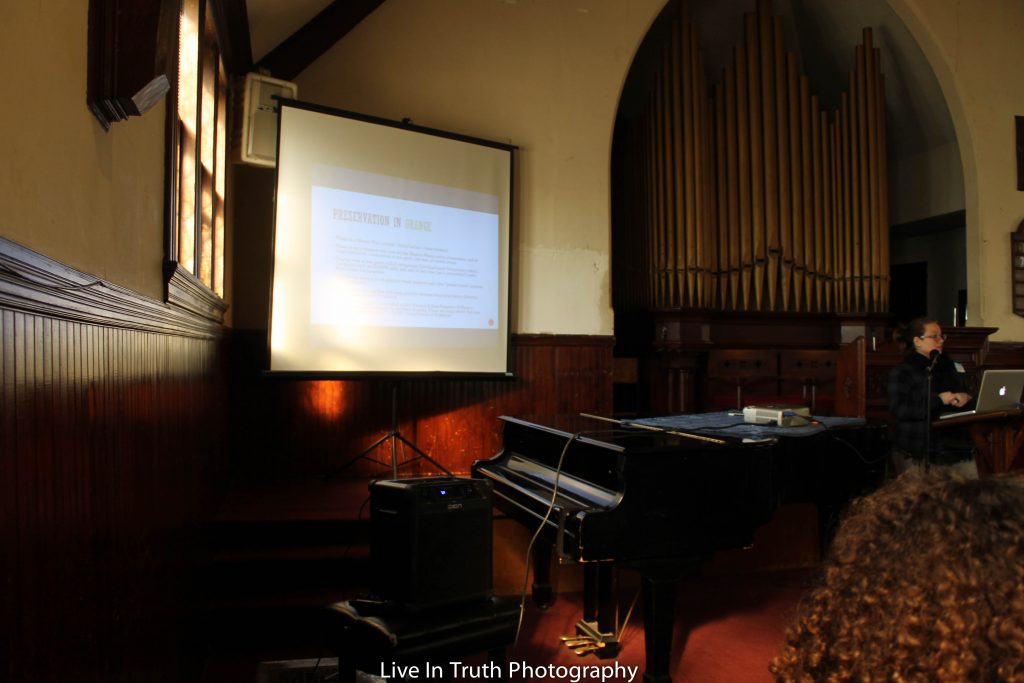
The needs of our old buildings and the economic pressures from new development are directly related to the quality of life in cities like ours. Our 100-Year-Old House program will bring neighbors together to discuss the state of housing in Orange, looking at both the aging building stock and the changing affordability of the city. Together, we can develop a shared understanding of the important role affordable housing plays in healthy communities and how to preserve and expand it.
At The HUUB, we believe in three key aims: 1) raising awareness of Orange’s aging housing stock as an invaluable asset; 2) enabling residents to secure the necessary funds— long denied by redlining— to invest in their housing; and 3) using our own repairs to model solutions to maintenance issues facing all 100-year-old houses.